Psalm 51 is one of the clearest examples in Scripture of what real repentance looks like. David wrote it after being confronted about his sin with Bathsheba and the murder of Uriah. Instead of defending himself or minimizing what he had done, David responded with confession and repentance.
At its core, this psalm shows how believers should approach God after sin. It teaches us both what we need to understand about God’s character and what we should actually do when we recognize our own sin.

What We Need to Know About God
Part of the message of Psalm 51 centers on knowing who God is.
David begins his prayer by appealing to God’s character. In Psalm 51:1 he says, “Have mercy on me, O God, according to your steadfast love; according to your abundant mercy blot out my transgressions” (ESV).
David knows something important about God. He knows that God is both just and merciful.
Later in the psalm David acknowledges that God is completely righteous in His judgment. Psalm 51:4 says that God is “blameless in [His] judgment.” David recognizes that whatever consequences come from his actions are justified.
The psalm also highlights God’s desire for truth within the human heart. In verse 6 David says that God “delight[s] in truth in the inward being” and teaches wisdom in the secret heart.
Understanding these truths about God is essential to repentance. We have to recognize both God’s justice and His mercy before we can approach Him rightly.
What Repentance Actually Looks Like
Psalm 51 does not only describe God’s character. It also shows what David actually did in response to his sin.
First, David asked for mercy and cleansing. In verses 1 and 2 he pleads with God to have mercy on him and wash him from his iniquity.
Then he openly acknowledged his sin. In verse 3 David says, “For I know my transgressions, and my sin is ever before me.”
There is no attempt to hide, justify, or minimize what happened. David simply admits the truth.
He then asks God to cleanse him and restore him. In verse 7 David asks God to purge him and make him clean. In verse 12 he asks for the restoration of joy.
Finally, David promises that his restoration will lead him to help others. In verse 13 he says, “Then I will teach transgressors your ways, and sinners will return to you.”
Repentance is not just about personal forgiveness. It also leads to testimony and transformation.
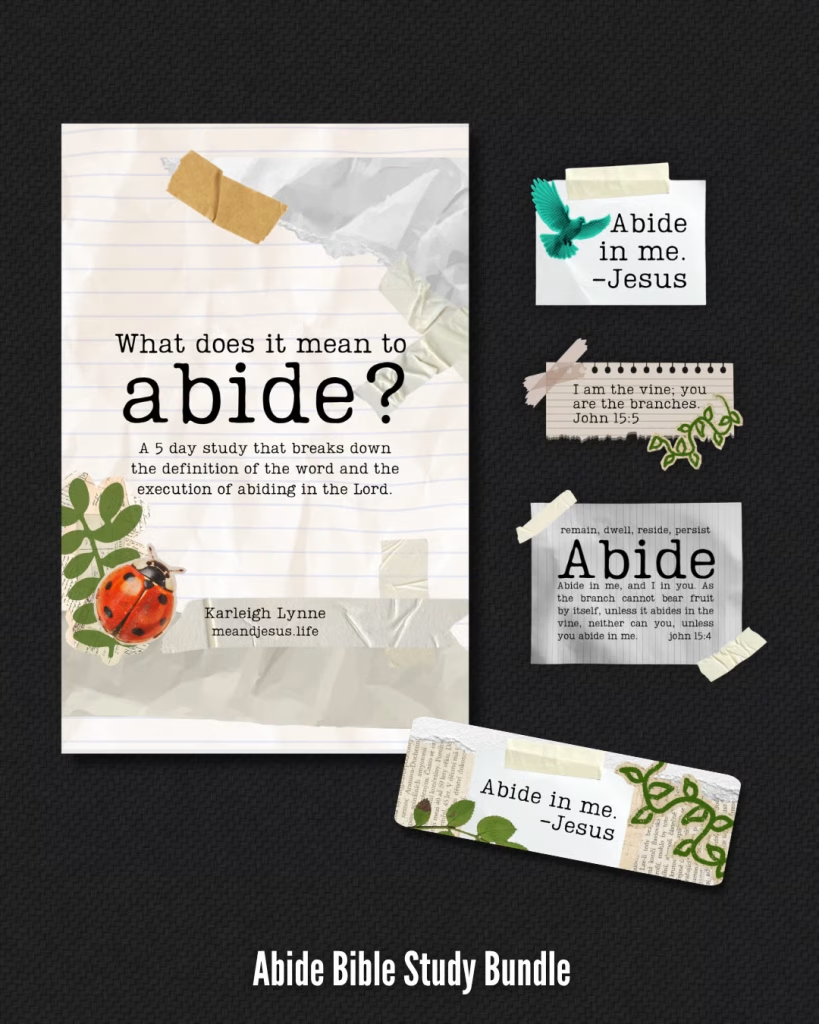
What does it mean “to abide?” We know what Jesus said to abide in Him, but what are we supposed to do? This 5 day Bible Study breaks down what abide means and how to actually abide in and lean on the Lord no matter what’s going on. Click here to check it out!
The Principles Behind Repentance
Several important principles about repentance appear throughout this psalm.
First, sin is ultimately against God. In verse 4 David says, “Against you, you only, have I sinned.” While other people were harmed by David’s actions, he recognizes that all sin is fundamentally a violation of God’s holiness.
Second, forgiveness comes from God’s character. David appeals to God’s “steadfast love” and “abundant mercy” in Psalm 51:1.
Third, God desires transformation, not empty ritual. In verses 16–17 David says that God does not ultimately delight in sacrifices but in a broken and contrite heart.
Allen Ross explains that the message of this psalm is that “the vilest offender among God’s people can appeal to God for forgiveness… if he comes with a broken spirit and bases his appeal on God’s compassion and grace.”¹
Repentance is not about saying the right words. It is about genuine humility and a changed heart.
Repentance Does Not Remove Consequences
Psalm 51 also reminds us of something important. Repentance does not erase the consequences of sin.
Even though David repented, the damage caused by his actions still remained. His child died, and Uriah was still gone.
This shows that repentance does not minimize sin or excuse the harm that it causes. Instead, repentance restores a person’s relationship with God while still acknowledging the seriousness of what happened.
Why Psalm 51 Still Matters
The message of Psalm 51 still applies today.
Every believer eventually faces moments when they must confront their own sin. Psalm 51 shows us what that response should look like.
It teaches us to acknowledge our wrongdoing, appeal to God’s mercy, seek cleansing and restoration, and allow our testimony to lead others back to Him.
No matter how serious the sin may be, the door to repentance remains open. That is the hope Psalm 51 offers to every believer who turns to God with a truly repentant heart.
Bibliography
Ross, Allen P. “Psalms.” In The Bible Knowledge Commentary: An Exposition of the Scriptures. Edited by J. F. Walvoord and R. B. Zuck. Vol. 1. Wheaton, IL: Victor Books, 1985.
Footnotes
- Allen P. Ross, “Psalms,” in The Bible Knowledge Commentary: An Exposition of the Scriptures, ed. J. F. Walvoord and R. B. Zuck, vol. 1 (Wheaton, IL: Victor Books, 1985), 832.
Some of the links in this post are affiliate links, which means I may earn a small commission if you choose to make a purchase at no extra cost to you. I only share resources I genuinely love and believe will serve you well. Thanks for supporting the work I do through Me and Jesus.








Leave a Reply